
ESOP Advantages in Exit Planning
Exit Planning That Benefits You—and Your Employees
For many business owners, their company represents the majority of their net worth. Yet when it comes to exit planning, the conversation often defaults to two options: sell to private equity or sell to a strategic buyer. However, there is a third path that deserves a seat at the table: the Employee Stock Ownership Plan (ESOP).
An ESOP is more than a retirement plan. It is a sophisticated exit strategy that can provide liquidity, tax efficiency, and legacy preservation while keeping the business independent. Unlike an outright third-party sale, an ESOP allows owners to sell a minority or majority stake in the company. While maintain operational control initially and phase leadership succession gradually. This flexibility can be especially attractive for founders who are not ready to walk away but want to begin diversifying wealth.
What Makes ESOPs a Unique Ownership Solution
ESOPs offer unique tax planning opportunities that few other exit structures can match, for example:
For C-Corporation Shareholders – Under IRC Section 1042, sellers may defer capital gains taxes by reinvesting proceeds into qualified replacement property that can result in a step up in basis for your heirs.
For S-Corporations – The percent of the company owned by the ESOP is generally not subject to federal income tax. A 100% ESOP-owned S-Corporation can effectively operate free of federal income tax at the corporate level.
For owners focused on after-tax proceeds not just headline valuation, an ESOP can be an ideal option.
Understanding the Value of ESOPs
A sale to Private Equity may bring operational changes, leadership turnover, or eventual resale pressure. A strategic buyer may consolidate operations, downsize, relocate, or even dissolve the business. Where an ESOP can provide:
- A built-in buyer
- Greater cultural continuity
- Lower transition risk
- Stronger employee alignment
For owners who care about employees and community impact, that matters.
Build a Legacy with an ESOP
Many founders want more than a transaction, they want continuity. An ESOP allows the company name to remain intact and for the company to transition leadership over time. It also, allow employees to share in long-term value creation. It is often the only structure that aligns liquidity with legacy.
Because an ESOP is a qualified retirement plan, it can work alongside:
- 401(k) plans
- Cash balance plans
- Executive compensation strategies
This opens the door for deeper planning conversations and coordinated wealth diversification.
The Bottom Line
An ESOP may be a strong fit when:
- The company has stable and predictable cash flow
- There is management depth beyond the founder
- The business is typically valued at $10M or more
- The owner wants partial or full liquidity
- Cultural preservation is important
An ESOP is not the right solution for every business owner. But for the right client, it can deliver:
- Liquidity
- Tax efficiency
- Controlled transition
- Employee engagement
- Long-term legacy
As exit planning conversations accelerate in 2026, ESOP modeling should be part of every serious evaluation—not an afterthought.
If you would like to discuss ESOP feasibility with your clients, we can provide a feasibility checklist and talking points for business-owner meetings. Please contact Amber Lloyd (alloyd@consultrms.com) for more information.
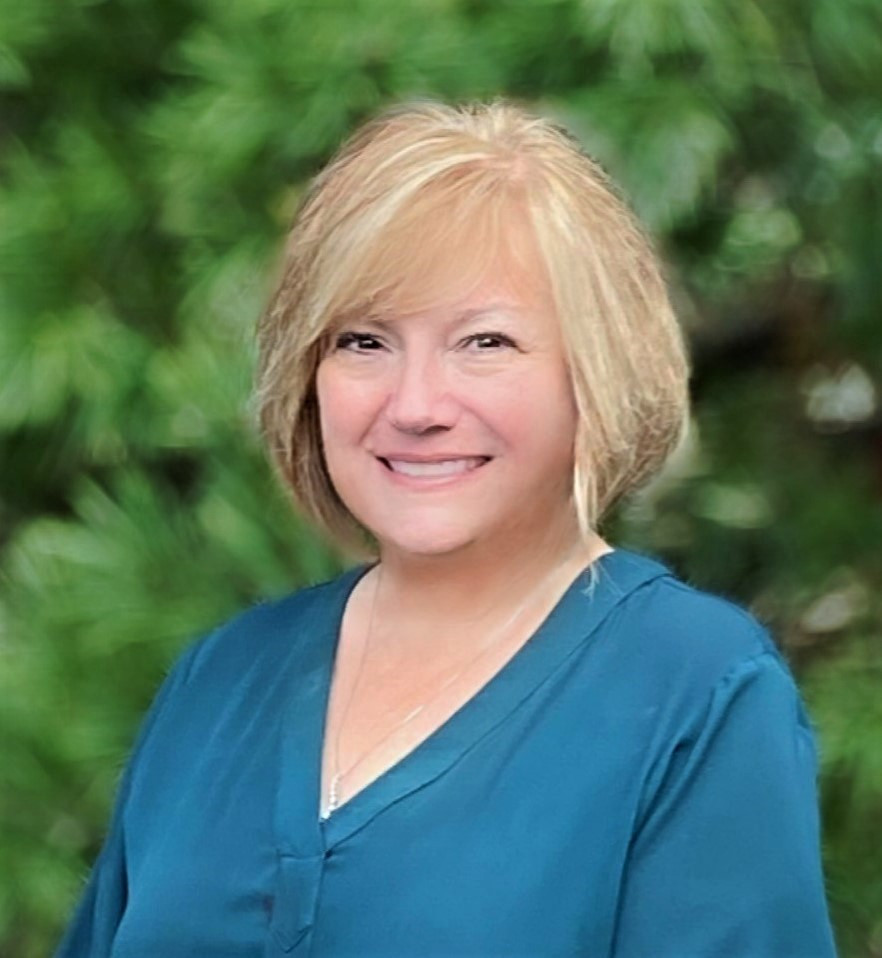

Leisha Gosling has worked for over 30 years in the field of Defined Contribution Plan Administration. She graduated from University of Louisville with a Bachelor of Science in Business Management and from Sullivan University with a Master’s degree in Business Administration. Leisha joined RMS as a New Business Consultant in 2020. Her areas of expertise include qualified retirement plan administration and consulting, plan document underwriting, and compliance. She focuses the majority of her time at RMS on new client implementation and onboarding as well as marketing and new business initiatives. She also maintains the plan document used by the firm and performs special research projects. Leisha has been awarded the designations of Qualified 401(k) Administrator and Qualified 401(k) Consultant from the American Society of Pension Professionals & Actuaries and Certified Employee Benefits Specialist from the International Foundation of Employee Benefit Plans.
 RMS Resources
 RMS Latest News